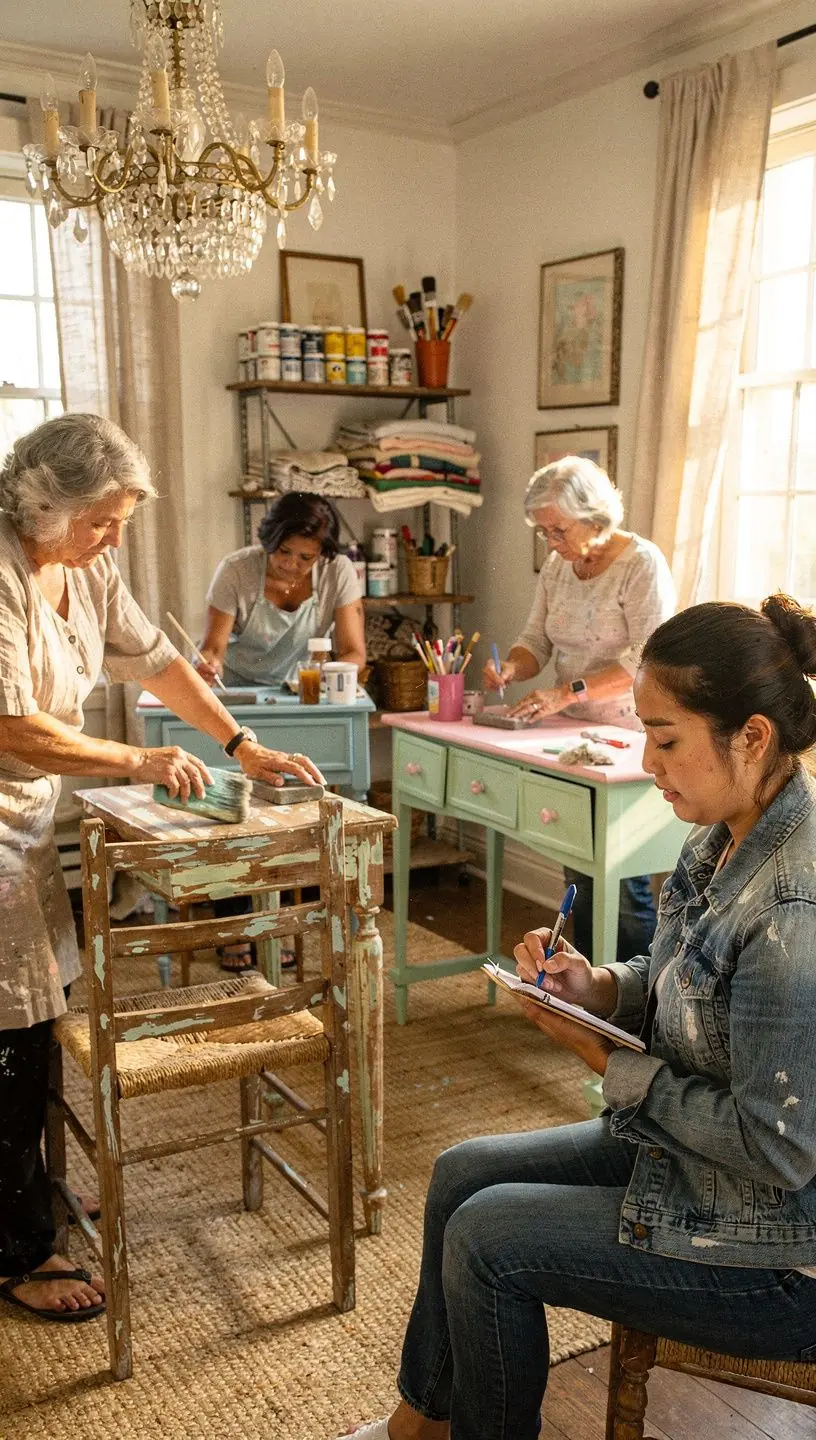
Exploring Color Psychology in Home Decor
Understanding how color affects our emotions and behaviors can significantly enhance our home decor choices. In this article, we’ll explore the principles of color psychology and how you can apply them to refresh your living spaces without the need for construction.
Understanding Color Psychology
Color psychology examines how colors influence our feelings and behaviors. According to research, colors can evoke specific emotional responses, which is why they play a crucial role in interior design. For example, blue is often associated with calmness and tranquility, making it a popular choice for bedrooms, while yellow can stimulate energy and creativity, making it suitable for kitchens or creative spaces.

"Colors can impact our mood and perception, which is why choosing the right palette is essential in home decor." - Color Psychology Expert
The Impact of Colors in Different Spaces
When decorating, it’s helpful to consider the function of each room and how color can enhance that function. Here are some common associations:
- Living Rooms: Warm tones like soft reds and oranges can create an inviting atmosphere, encouraging social interaction.
- Bathrooms: Cool colors, such as greens and blues, often promote relaxation, making them ideal for creating a spa-like environment.
- Bedrooms: Soft neutrals and pastels can foster a peaceful ambiance, conducive to sleep and relaxation.
Practical Tips for Using Color in Your Home
Implementing color psychology into your home decor doesn’t require extensive renovations. Here are some practical approaches:
- Accent Walls: Adding an accent wall with a bold color can dramatically change the look and feel of a room without major construction. Many users report a refreshing ambiance when introducing vibrant hues to a single wall.
- Textiles and Accessories: Utilizing cushions, throws, and artwork in varying colors can easily shift the mood of a space. For example, incorporating earthy tones can create warmth and comfort.
- Lighting: The color of light can change how we perceive the colors around us. Warm light can enhance warmer tones, while cool light can make cooler shades stand out. This works best when combined with the right color schemes.
Choosing the Right Colors for Your Needs
While color can have a profound impact, it’s important to recognize that personal preferences and the existing decor will shape your choices. Conducting a trial run with paint samples or decor items can help you visualize how the colors will work together. Experts recommend testing colors in different light conditions to see their true effects.
Conclusion
Incorporating color psychology into your home decor can create spaces that not only look aesthetically pleasing but also support your emotional well-being. By understanding how colors influence mood and behavior, you can make informed decisions that align with your lifestyle and preferences. Remember, effective color choices often require a bit of experimentation and a willingness to adapt. Your ideal home environment is a journey, not a destination.
Read More