Creating Functional Spaces with Furniture Arrangement
In today's busy world, creating a functional and inviting space within your home is essential. This article will explore practical and simple furniture arrangement strategies that can enhance the functionality of your space without the need for construction.
Understanding the Basics of Furniture Arrangement
Effective furniture arrangement plays a crucial role in maximizing space and improving the flow of movement in a room. According to experts in interior design, a well-thought-out layout can create a harmonious environment that supports everyday activities. In most cases, the goal is to promote both comfort and usability.
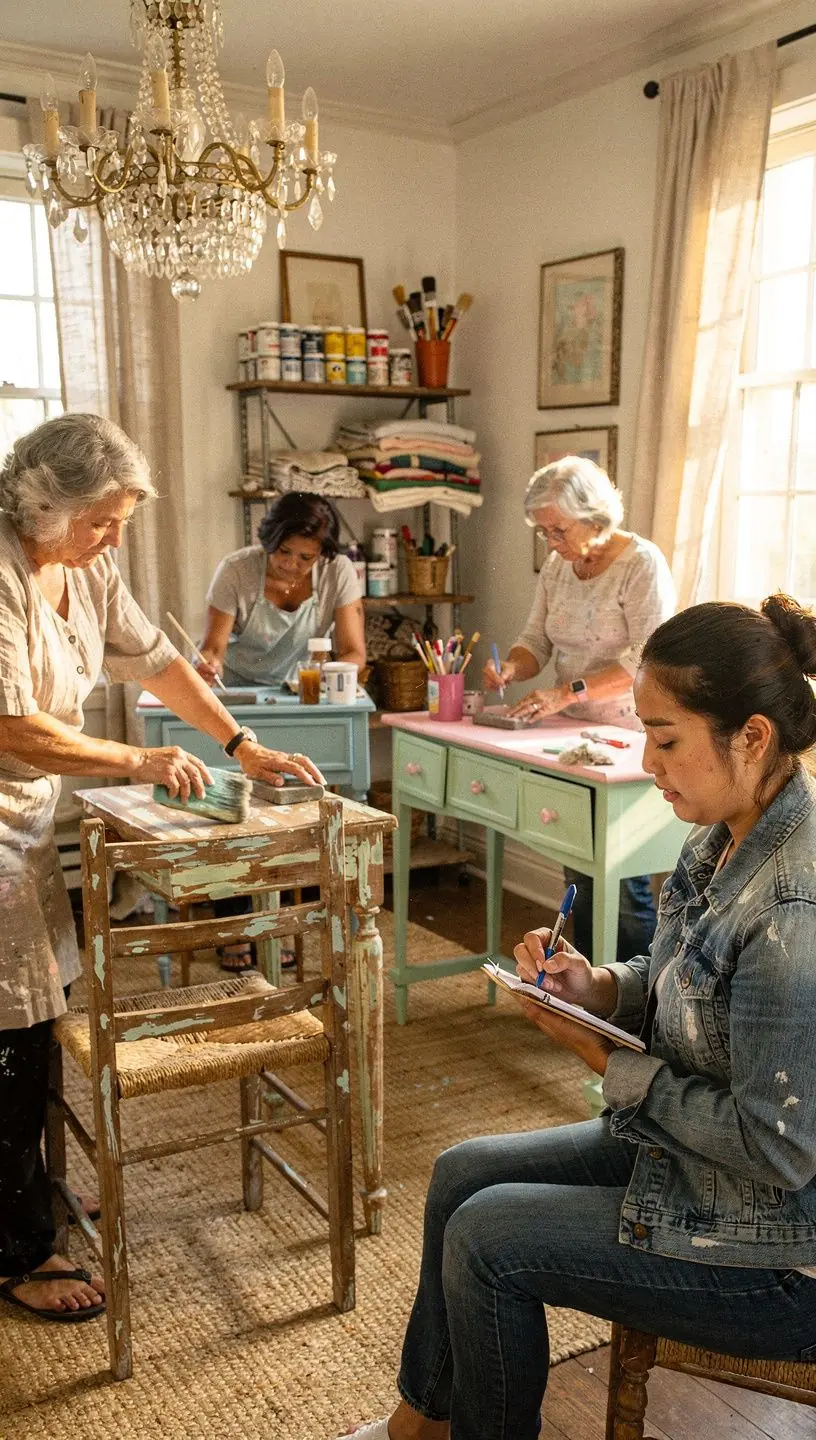
"A functional space typically reflects the needs of its users, allowing for ease of movement and access." - Interior Design Expert
Key Principles for Arranging Furniture
- Consider the Function: Determine the primary use of the room. Research indicates that rooms designed with a specific purpose in mind often lead to a more organized and effective layout.
- Flow and Movement: Experts recommend allowing for at least 24 inches of clearance in pathways to facilitate movement. This facilitates a natural flow and prevents any feeling of crowding.
- Visual Balance: Aim for a balanced arrangement by distributing larger and smaller pieces evenly throughout the space. This works because it creates a visually appealing environment that feels cohesive.
Practical Steps for Furniture Arrangement
To create a functional space, follow these practical steps:
- Assess Your Space: Take measurements of your room and existing furniture. This initial step typically involves drawing a simple floor plan to visualize potential layouts.
- Define Zones: If the space serves multiple purposes, consider dividing it into zones. For instance, in a living room, you might create a reading nook separate from the main seating area.
- Experiment with Layouts: Before permanently placing furniture, experiment with different arrangements. Many users report that using tape to outline furniture on the floor can help visualize the arrangement before moving heavy pieces.
Acknowledging Limitations
While these strategies can significantly enhance your space, it’s important to acknowledge the limitations. Often, the effectiveness of these arrangements requires a commitment to ongoing adjustments as your needs change. Moreover, individuals with large furniture may find certain layouts more challenging than others, depending on the size and shape of the room.
Conclusion
Creating functional spaces through thoughtful furniture arrangement is an achievable goal that can improve both the aesthetics and usability of your home. By understanding the basics, applying key principles, and taking practical steps, you can create an environment that works for you. Remember that this process may take some time and experimentation, but the results can lead to a more organized and enjoyable living space.