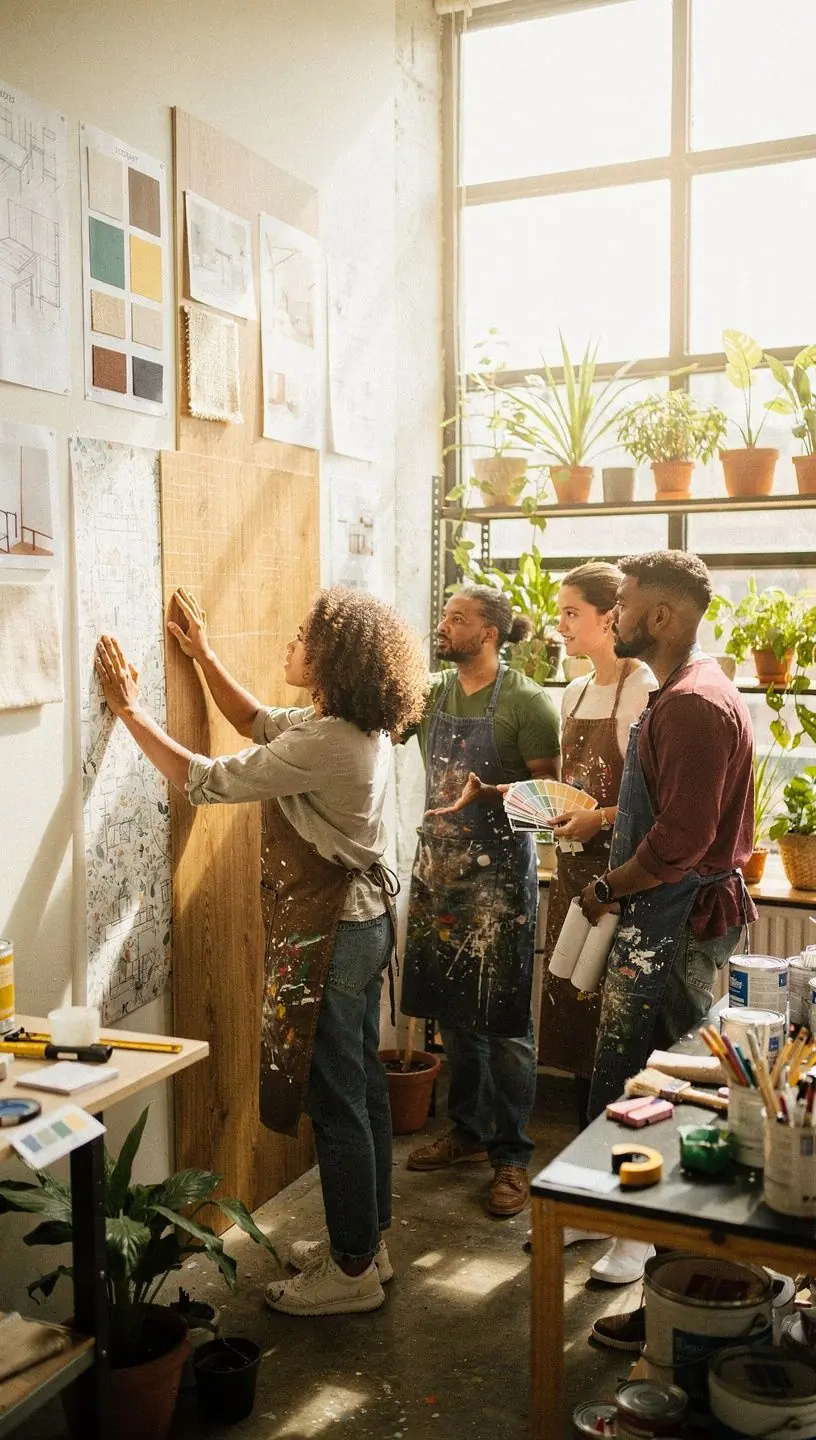
The Role of Wall Art in Interior Design
Wall art can significantly influence the atmosphere of a space. Its ability to transform a room without the need for construction makes it an accessible choice for interior refresh workshops. In this article, we will explore the importance of wall art in interior design and how it can be used effectively to enhance your living environment.
Understanding the Basics of Wall Art
According to research in interior design, wall art plays a crucial role in establishing the tone of a room. Many interior designers recommend utilizing art pieces to create focal points, evoke emotions, and express personal style. The principle behind this is that colors, shapes, and themes in art can influence mood and perception. For instance, a vibrant abstract piece can energize a space, while serene landscapes may promote relaxation.

"Art is not what you see, but what you make others see." - Edgar Degas
Benefits of Incorporating Wall Art
- Enhances Aesthetic Appeal: Strategically placed wall art can elevate the overall aesthetic of any room. This is particularly effective in areas that might feel blank or uninviting.
- Personal Expression: Wall art allows individuals to showcase their personality and interests. Choosing art that resonates with you can create a more inviting and personal atmosphere.
- Encourages Creativity: Studies indicate that environments enriched with art can stimulate creativity. This is beneficial in workspaces, where inspiration can lead to improved productivity.
Practical Application of Wall Art
To effectively incorporate wall art into your interior design, consider the following:
- Choose the Right Pieces: Look for artwork that aligns with the colors and style of your existing decor. This typically involves a combination of personal preference and color theory principles.
- Placement Matters: Experts suggest that art should be hung at eye level for optimal viewing. This may require measuring and testing different heights to find the perfect spot.
- Mix and Match: Combining various styles and sizes of art can create an engaging gallery wall. However, maintaining a cohesive theme or color palette can help in achieving balance.
Limitations to Consider
While wall art can undoubtedly enhance your space, it is essential to acknowledge certain limitations:
- Time Investment: Curating a collection of art that truly resonates with you can take time. It often requires exploration and consideration of different styles.
- Effort in Selection: Finding pieces that align with your personal taste and the overall design of your space may involve visiting galleries or searching online, which can be a time-consuming process.
- Not a Complete Solution: Wall art is an effective enhancement but may not address underlying design flaws. It works best when combined with other design elements.
Conclusion
Incorporating wall art into your interior design is a proven approach to refreshing your space without extensive renovations. By understanding the impact of art on mood and aesthetics, and by applying practical strategies for selection and placement, you can create an environment that reflects your personality and enhances your life. Remember, the journey of selecting and displaying art can be enjoyable, and every piece tells a story, enriching your living experience.
Read More